
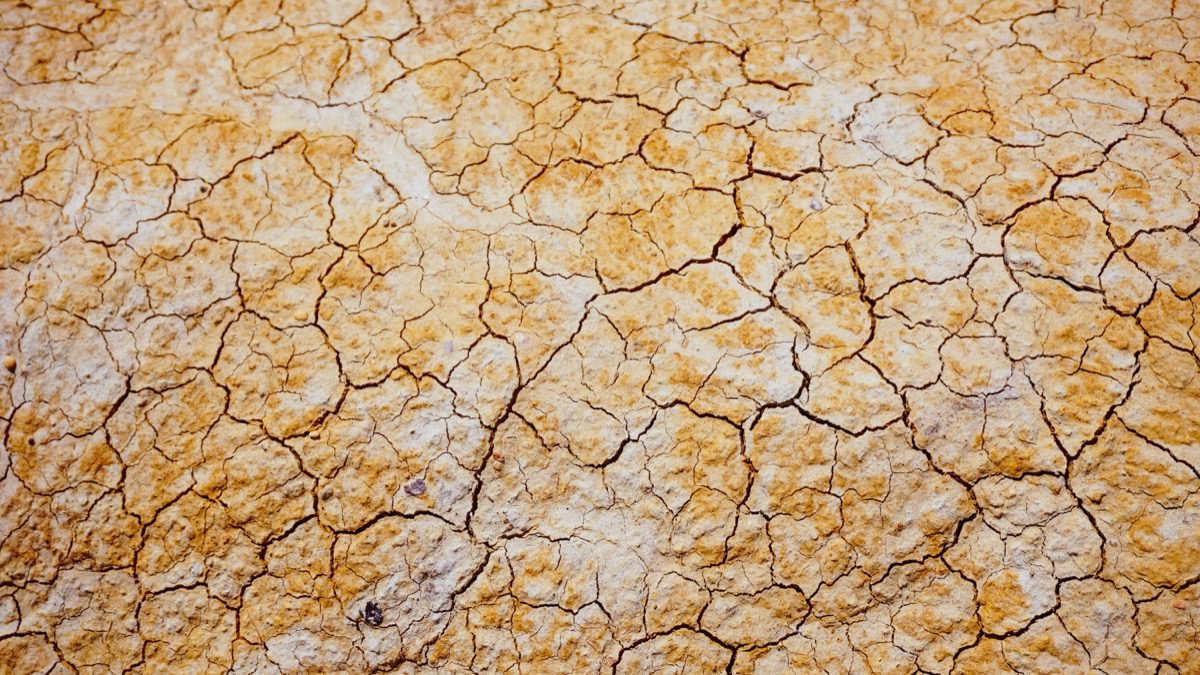

Columbus and the rest of Muscogee County are in the grip of one of the most severe droughts on record, with conditions deteriorating rapidly heading into spring 2026. State and local officials are sounding the alarm as dry land, low rivers, and wildfire danger converge on the region.
Exceptional Drought Grips the Region
According to the U.S. Drought Monitor, virtually all of Georgia — roughly 98% of the state’s land area — is currently experiencing moderate to exceptional drought conditions. Muscogee County, which includes Columbus, was classified as being in D3 (Extreme Drought) as of early March, a category that brings severe impacts to water supplies, agriculture, and the environment.
The Chattahoochee River, which runs along Columbus’s western edge, has seen significantly reduced flow as a result of the prolonged dry spell. The river is a critical source of drinking water and recreation for the metro area, and sustained low levels raise concerns for both water utilities and local ecosystems.
Burn Ban in Effect for Muscogee County
On April 22, 2026, Muscogee County was placed under a mandatory burn ban as Georgia’s State Forester issued the restriction across 91 counties in the lower half of the state. The ban — the first of its kind in the Georgia Forestry Commission’s history — prohibits all outdoor burning, including prescribed burns, agricultural burns, and backyard debris fires. It is scheduled to remain in effect through May 22, 2026.
The ban comes as Georgia has already recorded 2,280 wildfires in 2026, burning more than 20,500 acres statewide — roughly 112% more acreage than the five-year average for the same period. Governor Brian Kemp declared a state of emergency in 91 counties as wildfires grew past 27,000 acres across the region. Haze from fires in south Georgia has at times drifted as far north as Atlanta.
Federal Disaster Declaration
Also on April 22, the Georgia Department of Agriculture announced that 126 Georgia counties — including Muscogee — have been designated as primary natural disaster areas due to the ongoing drought. The declaration makes agricultural producers eligible for emergency loan assistance through the USDA Farm Service Agency, providing a financial lifeline to farmers who have seen holding ponds go dry and irrigation water disappear ahead of planting season.
What Residents Can Do
Columbus residents are urged to conserve water, avoid all outdoor burning, and report any sign of fire immediately. Check with the Columbus Water Works for any local water restriction updates. For real-time drought and river level data, visit the U.S. Drought Monitor and the USGS Chattahoochee River gauge at 14th Street.
