Physical Address
304 North Cardinal St.
Dorchester Center, MA 02124
Physical Address
304 North Cardinal St.
Dorchester Center, MA 02124


Project Ruby · Analysis The city of Columbus issued a statement Tuesday responding to the lawsuit filed by eight Upatoi residents challenging the Technology Overlay Ordinance. The statement runs four sentences. Three of them describe the process. One of them…
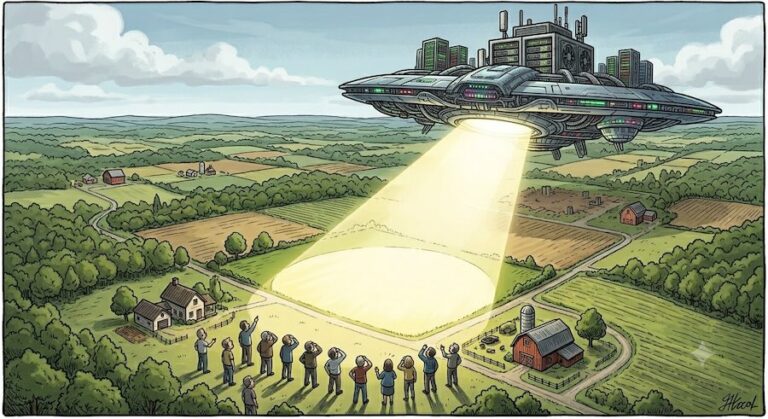
Project Ruby · Lawsuit The legal challenge Columbus residents threatened came Monday. Four days after Mayor Skip Henderson signed the technology overlay ordinance into law, eight Upatoi landowners and Keep It Rural LLC filed suit in Muscogee County Superior Court.…
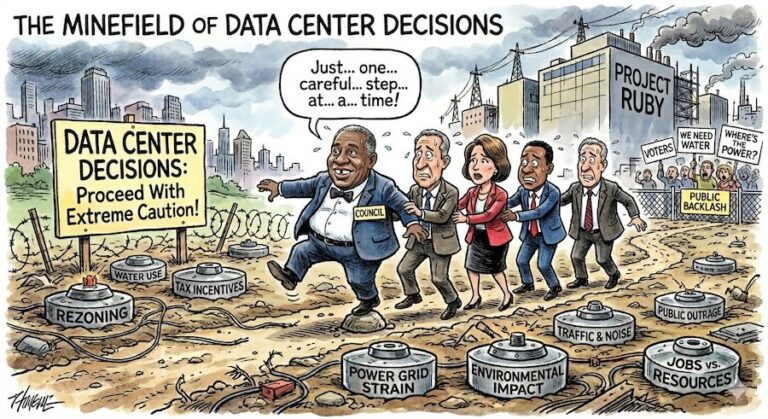
Project Ruby: The Explainer SeriesPart 4 of 4 Author’s note: The author submitted an alternative ordinance — The People’s Overlay — to all Columbus City Council members, the city attorney, and the mayor before the June 9, 2026 public hearing,…

Project Ruby: The Explainer SeriesPart 3 of 4 Author’s note: The author submitted an alternative ordinance — The People’s Overlay — to all Columbus City Council members, the city attorney, and the mayor before the June 9, 2026 public hearing,…
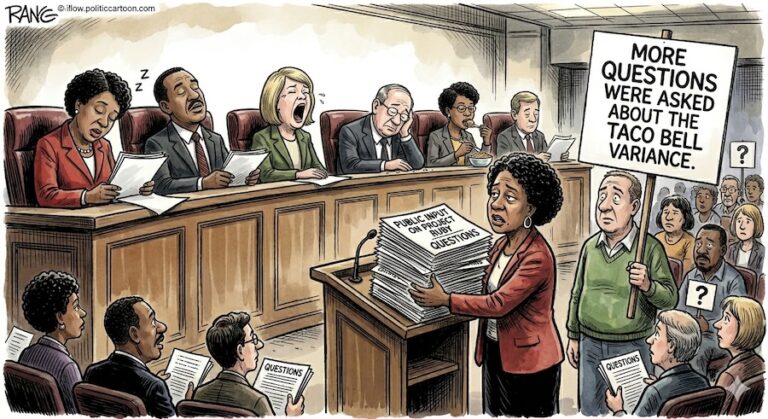
Project Ruby: The Explainer SeriesPart 2 of 4 Author’s note: The author submitted an alternative ordinance — The People’s Overlay — to all Columbus City Council members, the city attorney, and the mayor before the June 9, 2026 public hearing,…
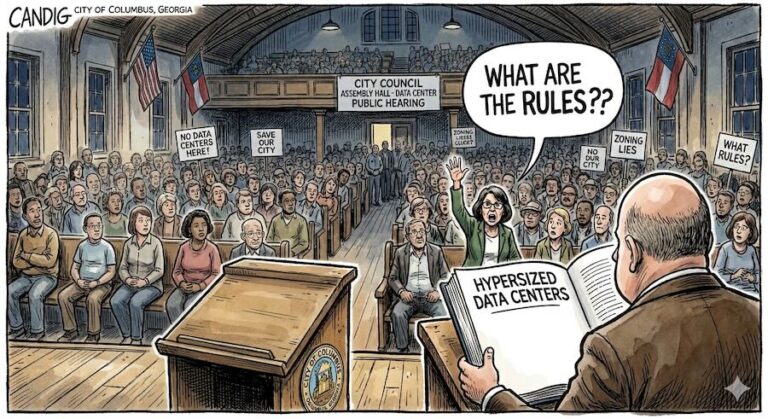
Project Ruby: The Explainer SeriesPart 1 of 4 The Mother of All Zoning Overlays that no one bothered to explain. Columbus City Council passed it and most coverage moved on. But the document that will actually determine what gets built…
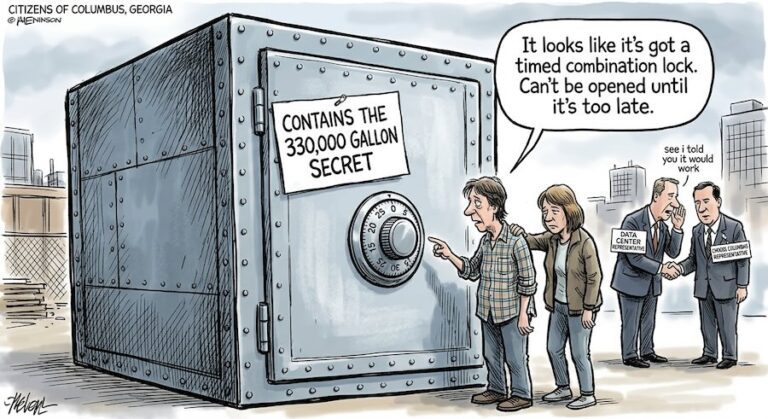
In November 2025, WSB-TV filed open records requests for the water use agreements between data center developers and Georgia counties. The Google-Douglas County agreement came back with every reference to water use specifics blacked out. The question for Columbus is whether that pattern has already arrived here — and whether officials are working from verified information, or representations made by a developer whose interests and the public's diverge at every point where money and water meet.
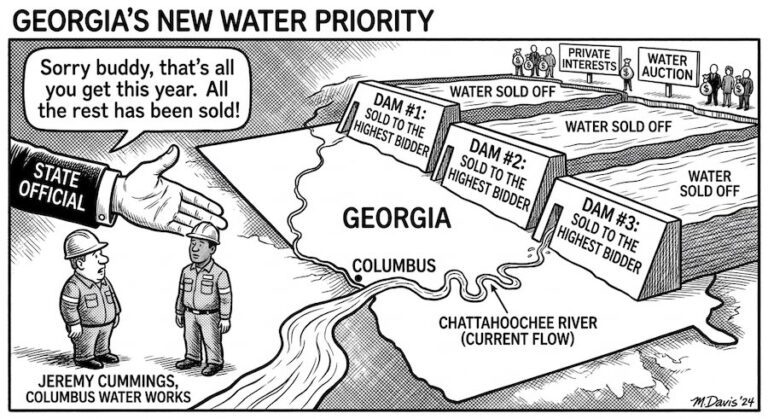
Columbus Water Works says the city has 90 million gallons of daily treatment capacity. Project Ruby’s 330,000-gallon figure barely touches it. But the Chattahoochee is a shared resource — and what is happening upstream right now, from Newton County to Coweta County to the Ocmulgee basin, should concern anyone who assumes today’s water availability is a reliable guide to tomorrow’s.
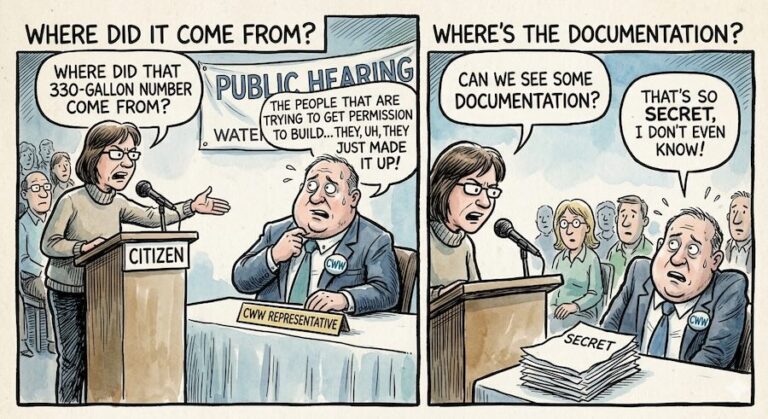
Project Ruby has formally requested 600 megawatts of electricity — more than the entire current consumption of the city of Columbus. At that power load, a facility using only 330,000 gallons of water per day would be achieving efficiency roughly ten times better than Google’s best-reported comparable facility. Nobody has explained where that number comes from.

Before asking whether Columbus has been told the truth about Project Ruby’s water demands, it is worth asking a prior question: has the process by which Columbus gathered information about this project been designed to produce accurate answers — or has it been designed, however unintentionally, to produce reassuring ones?
